
Five years ago, I penned a series of articles that examined the artists and bands that have yet to earn induction into the Rock & Roll Hall of Fame. As of the most recent Class of 2024, there are now 394 artists, bands, and industry personnel that have been inducted into the Hall. With this said, that does not mean that they have gotten ALL of the people who should, at the minimum, get some consideration for entry.
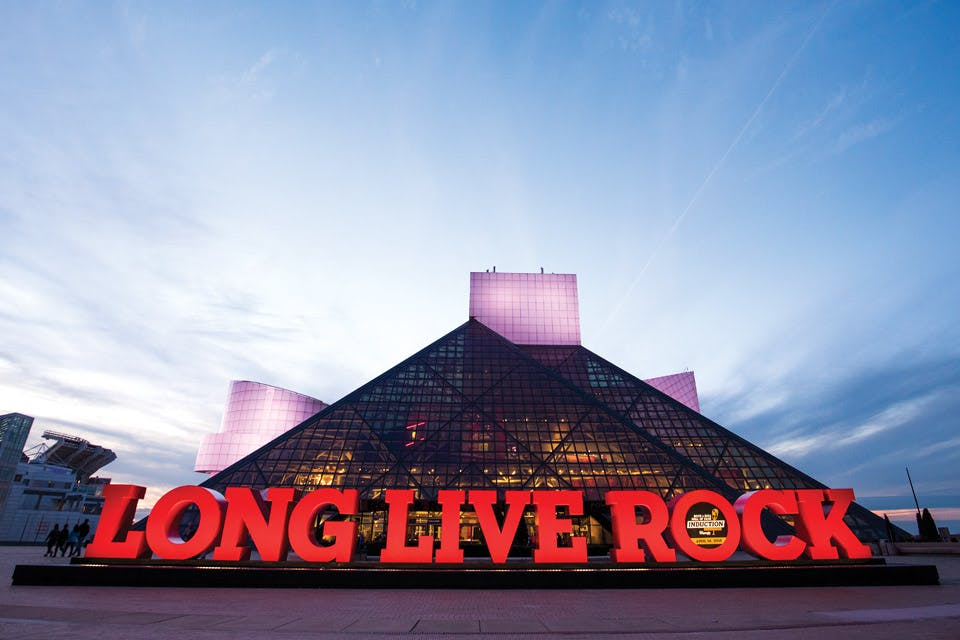
Why go back and do this again? In the last five years, many of those who were previously put on the “Should Be Inducted” list have actually been inducted into the Hall. Additionally, I stopped my series with the Eighties because, back in 2019, few artists from the Nineties were eligible. As we are approaching 2025, and with the “25 years removed” rule, we can now take a full look at the decade of the Nineties and see what they are missing.
You might think that, going back as far as the Fifties, we have tapped that vein out. “Big Mama” Thornton went in this year as a Musical Influence, and we’re going to go ahead and let up on the demand that Bob Wills and His Texas Playboys get a Performer induction. They were previously inducted under the Early (re: Musical) Influence category and, if we’re going to put in Jimmy Buffett, Judas Priest, and MC5 through this and the Musical Excellence categories and it is a full-fledged induction, then so be it. There are still some roots of the “rock and roll” tree that bear examination, however.
The “Crooners”
One of the problems with inducting Cher in 2024 is the fact that she is just a singer. She was not a musician, she did little (if any) songwriting – she basically walked into the studio, sang her part, and told everyone else to do the heavy lifting (can you tell I am not high on Cher’s induction?). If this is the standard that we are going to, then we’ve got to go back to the Fifties and before and put in those vocalists who have been overlooked because they weren’t “rock and roll.”

Does anyone spell out “rebellion” more than The Chairman of the Board, Frank Sinatra? Back in the Forties and Fifties, Ol’ Blue Eyes was a threat to the “squares” with his bawdy songs and boozing in Vegas. Although he made some disparaging comments about “rock and roll,” he did epitomize that spirit of rebellion that permeates the community.
There are plenty of others who can be considered in this same vein. Tony Bennett, Dean Martin, Neil Sedaka, Johnny Mathis, Patsy Cline, Barbra Streisand, Celine Dion, Harry Connick, Jr., Michael Bublé…the list gets extremely long, to the point where you must figure out where to draw the line and preserve the quality of the work as being the major reason for induction rather than charts or record sales. If Nat ‘King’ Cole can earn entry into the Hall, then why not some of the others in the “crooner” subset that predated and influenced “rock and roll’s” creation?
Dick Dale
Five years ago when I put this list together, I thought that Dale would be one of the first ones off the list. People love the guitar, as evidenced by Ozzy Osbourne’s hired guitar slinger Randy Rhoads being inducted through the Musical Excellence pathway in 2023, and you quite honestly cannot have a rockin’ song without having a guitar virtuoso wield it like a battleaxe. But here we are…five years after this original list, and Dale is still waiting for his rightful place in the Hall.

If you are a fan of “surf guitar,” then Dale was the man to whom you should pay homage. Along with Duane Eddy (inducted into the Hall in 1994…let me say that again…1994!), the duo were the practitioners of that style of music. They both laid the groundwork for vocal groups like The Beach Boys, Jan & Dean, and a myriad of other “beach bands” to earn success in the early- to mid-Sixties. Why does the Hall have one of these men in and not the other? There are plenty of mysteries as to why the Hall does things the way they do, but this question is extremely puzzling.
John Coltrane
The Hall has established that “rock and roll” is not just about the RAWK sound, that which came out in the late Sixties and many think ended on or about 1979 (the “classic rock” era). Different ingredients go into the gumbo that is “rock and roll” and one of those components is jazz. Epitomizing one of the great jazz legends is saxophonist John Coltrane, who is considered one of the immortals on the Mount Rushmore of the genre but hasn’t been enshrined in Cleveland.
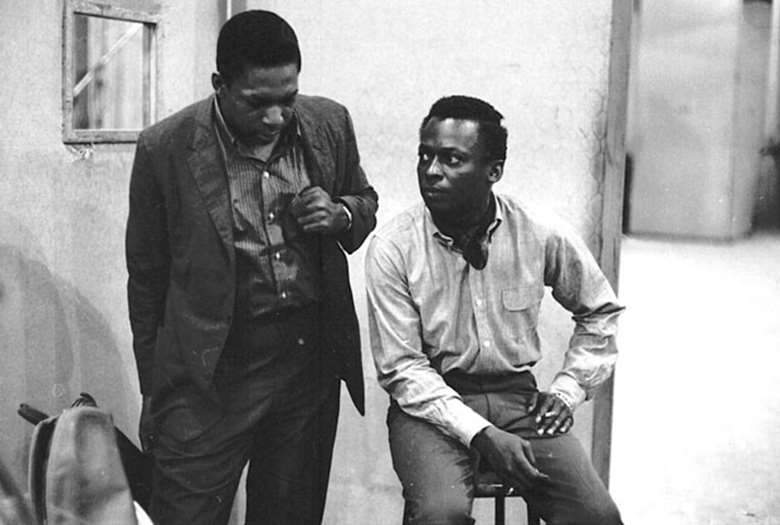
Coltrane more than held his own, even against another Hall member Miles Davis when both were in the New Miles Davis Quintet. The rest of his work is also quite remarkable, especially his early work with the Blue Note label and another partnership with another jazz legend, Duke Ellington. Once again, if you are going to have one, why not the other – if you are going to have Davis, why not Coltrane (you might also extend this question to Benny Goodman or Glenn Miller)?
One Thing That’s Been Tapped?
If you are wondering where the vocal groups of the Forties and Fifties are, you’re not going to find them here or, should I say, in the Hall. All the luminaries from that arena are already in the Hall and, if they have not been chosen by now, then they aren’t what are considered the foundations of “rock and roll.” Sure, you may have had a song that became iconic, or you may have had a fleeting period on the top of the charts, but in many of these cases, these artists and groups have become footnotes in history rather than those who actually made history.
Now that we have thoroughly exhausted the Fifties and before, we can move forth into the Sixties. It may appear that decade has been wrung out of all its greats, but there are a couple that are still waiting at the window that are deserving of a nod. If you start thinking about this, do remember…it is the Rock & Roll Hall of FAME, not the “Hall of Pretty Good!”

 "Tampa" Earl...On-Air Performer for Real Rock Radio!